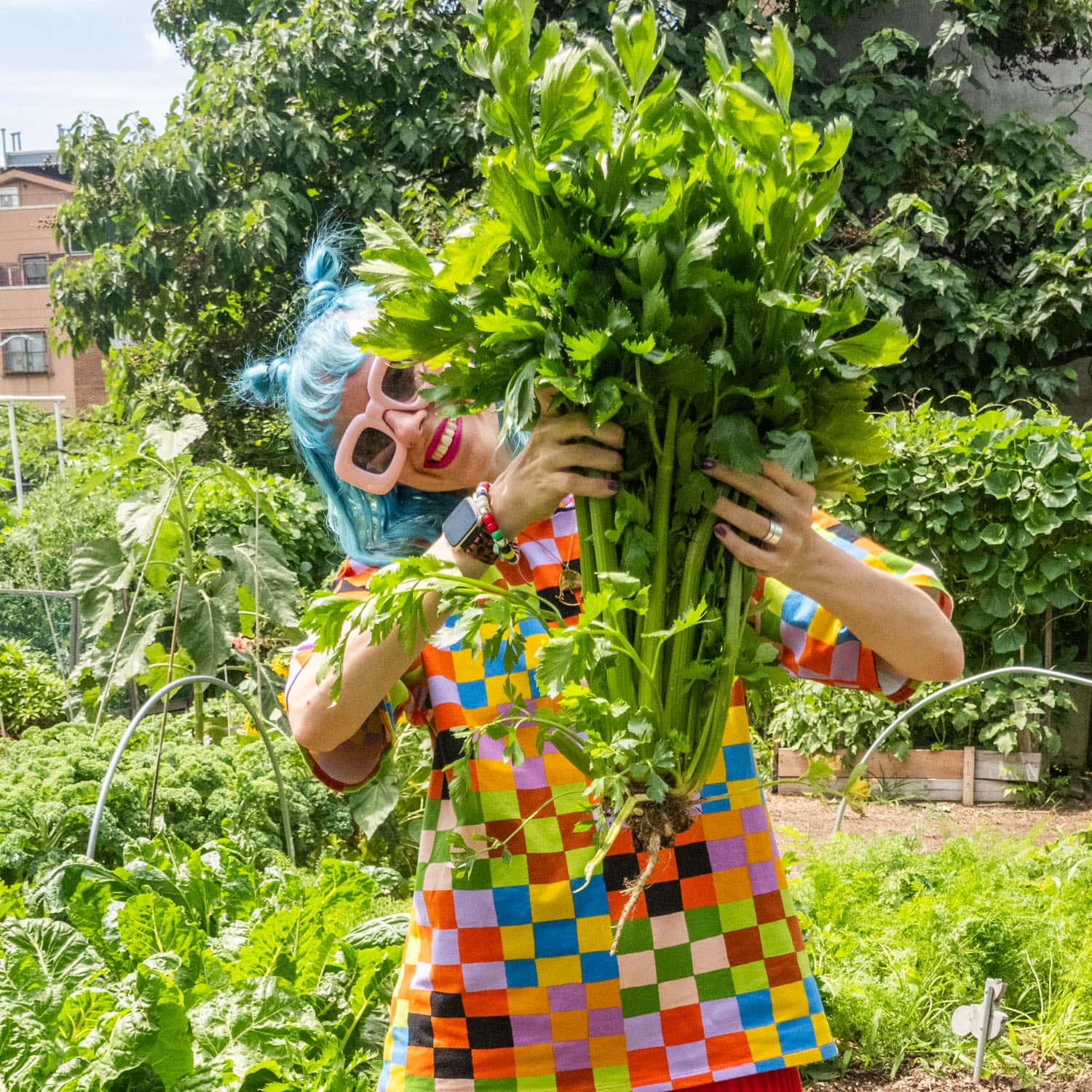
From Frustration to "Wow!": The Celery Growing Journey
Imagine pulling a crisp, vibrant stalk of celery from your garden, knowing you cultivated it from a tiny, seemingly stubborn seed. That initial surge of giddiness is precisely what many gardeners experience when they successfully grow celery. While its germination phase can test your patience, celery truly transforms into one of the most rewarding and, dare we say,
drama-free plants once established in your garden. This comprehensive guide will walk you through
everything you need to know about growing celery, from tackling those tricky seeds to enjoying fresh stalks for weeks, and even months, beyond harvest.
Celery isn't just a versatile kitchen staple; it's also a remarkably resilient summer vegetable. Unlike many plants that wilt under the scorching sun, certain celery varieties, like 'Tango,' thrive even in intense heat, making it an excellent choice for warmer climates or hot summer stretches. We've witnessed its impressive performance firsthand in challenging environments like hot NYC summers, producing magnificent stalks with minimal fuss once it's past the seedling stage. This inherent robustness, coupled with its excellent storage capabilities, makes celery an absolute winner for both novice and experienced gardeners alike.
Conquering Celery Germination: The Seedling Stage
The journey to a flourishing celery patch often begins with a test of faith: germinating the seeds. Celery seeds are notoriously slow and somewhat finicky, often taking up to three weeks to sprout. This extended germination period can indeed be nerve-wracking, potentially throwing off your entire planting calendar if not managed carefully. Even with aids like heat mats, which are highly recommended to provide consistent warmth for optimal germination, patience is paramount.
Here's a crucial tip to save yourself potential heartache:
always start at least three times more celery seeds than the number of plants you ultimately desire. This buffer ensures you’ll have enough viable seedlings even if a significant percentage fail to germinate. For those seeking a deeper dive into this initial, critical phase, our detailed guide on
Mastering Celery Germination & Heat: Your Summer Grow Guide offers invaluable insights.
Typically, in regions like Zone 7B, the process kicks off indoors around March. This early start gives the slow-germinating seeds ample time to develop into sturdy seedlings before the last frost. By May, these young plants are ready for their outdoor home. If the thought of coaxing tiny celery seeds to life feels like too much "seed drama," don't despair! A fantastic alternative is to purchase young celery plants from your local nursery or greenhouse. This allows you to bypass the most challenging part of the celery life cycle and jump straight into the rewarding cultivation phase.
Mastering Celery Cultivation: Planting, Care, and Varieties
Once you have healthy celery seedlings, whether home-grown or purchased, transplanting them into your garden is the next exciting step. Celery is a sun-lover, demanding at least
six hours of full sun daily to thrive. Choose a location in your garden bed or large pots that receives ample light throughout the day. When planting, aim for a spacing of about 10 inches between each plant. This gives them enough room to grow without competing excessively for nutrients and light, promoting good air circulation.
Soil and Water: The Foundation for Healthy Stalks
Celery is a thirsty plant and a heavy feeder. It requires consistently moist, rich, and well-draining soil. Before planting, amend your soil generously with compost or other organic matter. This not only improves fertility but also helps the soil retain the moisture celery craves. While it’s quite resistant to heat and moderate moisture stress once established, consistent watering is key to developing those succulent, tender stalks. Think of it as a no-nonsense plant: give it sun, good soil, and plenty of water, and it will reward you handsomely with minimal additional upkeep.
Exploring Celery Varieties
When it comes to celery, you have a few excellent options:
- Trenching Celery: Varieties like 'Utah' and 'Summer Pascal' are known for their strong flavor and vibrant green stalks. Traditionally, these were "trenched" (soil mounded around them) to blanch the lower stalks, making them more tender and less bitter.
- Self-Blanching Celery: Types such as 'Golden Self Blanching' have a milder flavor and naturally produce paler yellow or white stalks without the need for trenching, thanks to their denser foliage shading the stalks.
- Heat-Resistant Varieties: 'Tango' celery, as mentioned, is an excellent choice for hot climates. It boasts tender stalks and great flavor, performing exceptionally well even during intense summer heat with surprising drought tolerance compared to other varieties.
Knowing the basics of these celery plants helps you grow a healthy crop and enjoy the tasty results that are perfect for adding to a wide array of dishes.
Beyond the Garden: Nutritional Powerhouse
Beyond its ease of growth, celery offers significant nutritional benefits. It’s famously low in calories but packed with essential vitamins and minerals, including vitamin K, vitamin C, and folate. It also provides dietary fiber, potassium, and beneficial antioxidants. Incorporating celery into your diet can support digestion and help reduce inflammation, making your homegrown harvest not just delicious but incredibly good for you.
Harvesting Your Bounty: When and How to Pick Celery
The culmination of your patience and care arrives approximately 4-5 months (around 140 days) after sowing the seeds. You’ll know your celery is ready to harvest when the stalks reach at least 8 inches in height and the base is a healthy 2-3 inches wide. This is the moment when all the hard work pays off, and you get to experience that exhilarating "giddy" feeling of picking your very own fresh celery.
Harvesting Techniques
You have two primary methods for harvesting your homegrown celery:
- Cut Individual Stalks: If you prefer a continuous supply, you can simply cut off outer stalks as you need them. Use a sharp knife to snip them close to the base, leaving the inner stalks to continue growing. This method prolongs your harvest season.
- Pull the Entire Plant: For a larger yield all at once, you can harvest the entire plant. Gently loosen the soil around the base and pull the plant up. This is our preferred method, as it provides a substantial amount of celery for immediate use and longer-term storage.
One less thing to worry about: celery is quite forgiving when it comes to bolting (going to seed). It generally won't bolt or develop a bitter taste until the weather turns cold, giving you flexibility on when you choose to harvest. This "drama-free" characteristic adds to its appeal as a reliable garden staple.
Maximizing Freshness: Expert Celery Storage Techniques
Once harvested, ensuring your celery stays crisp and flavorful is key to enjoying your hard work for as long as possible. Luckily, celery is an excellent keeper, both in the refrigerator and the freezer.
Short-Term Refrigeration
For immediate use and fresh snacking, store whole celery stalks in your refrigerator's crisper drawer. When properly stored, it can remain fresh and crunchy for up to three weeks. A helpful tip is to wrap it tightly in aluminum foil or place it in a sealed container, as this helps retain moisture and prevents wilting.
Long-Term Freezing for Winter Delights
To extend your celery harvest well beyond a few weeks, freezing is an excellent option. While frozen celery won't retain its crispness for fresh salads, it's perfect for cooking.
Here’s how to freeze celery effectively:
- Wash and Chop: Thoroughly wash your celery stalks and chop them into desired sizes (e.g., 1/2-inch pieces for soups, larger chunks for stews).
- Blanch (Optional but Recommended): Blanching involves briefly immersing the celery in boiling water for 2-3 minutes, followed by an immediate plunge into ice water to stop the cooking process. This step helps preserve color, flavor, and nutrients, though it's not strictly necessary if you're only using it for soups.
- Freeze: Drain the blanched celery thoroughly. Spread the pieces in a single layer on a baking sheet and freeze until solid. This prevents them from clumping together.
- Store: Once frozen, transfer the celery pieces to freezer bags or airtight containers. Label with the date. Frozen celery can last for several months, ready to be added directly to your favorite winter dishes.
We always make sure to freeze a significant amount of our celery harvest. It’s an absolute game-changer for enhancing the flavor of hearty winter soups like chicken noodle soup, minestrone, or even a rich Yukon Gold potato soup. Having homegrown, prepped celery on hand makes whipping up nutritious meals incredibly convenient. For more comprehensive insights into the entire journey from tough seeds to a bountiful harvest, check out our guide on
Grow Your Own Celery: From Tough Seeds to Tasty Harvest.
Embrace the Drama-Free Celery Experience
Cultivating celery might present an initial hurdle with its slow-to-sprout seeds, but once past that stage, it truly lives up to its "drama-free" reputation. This resilient, heat-tolerant plant offers a wonderfully satisfying gardening experience, culminating in an abundance of crisp, flavorful stalks. By understanding
everything you need to know about growing celery – from meticulous seed starting and consistent care to timely harvesting and smart storage – you can enjoy the unparalleled taste of homegrown celery for a significant portion of the year. So go ahead, plant some celery, and prepare to be genuinely wowed by your harvest!