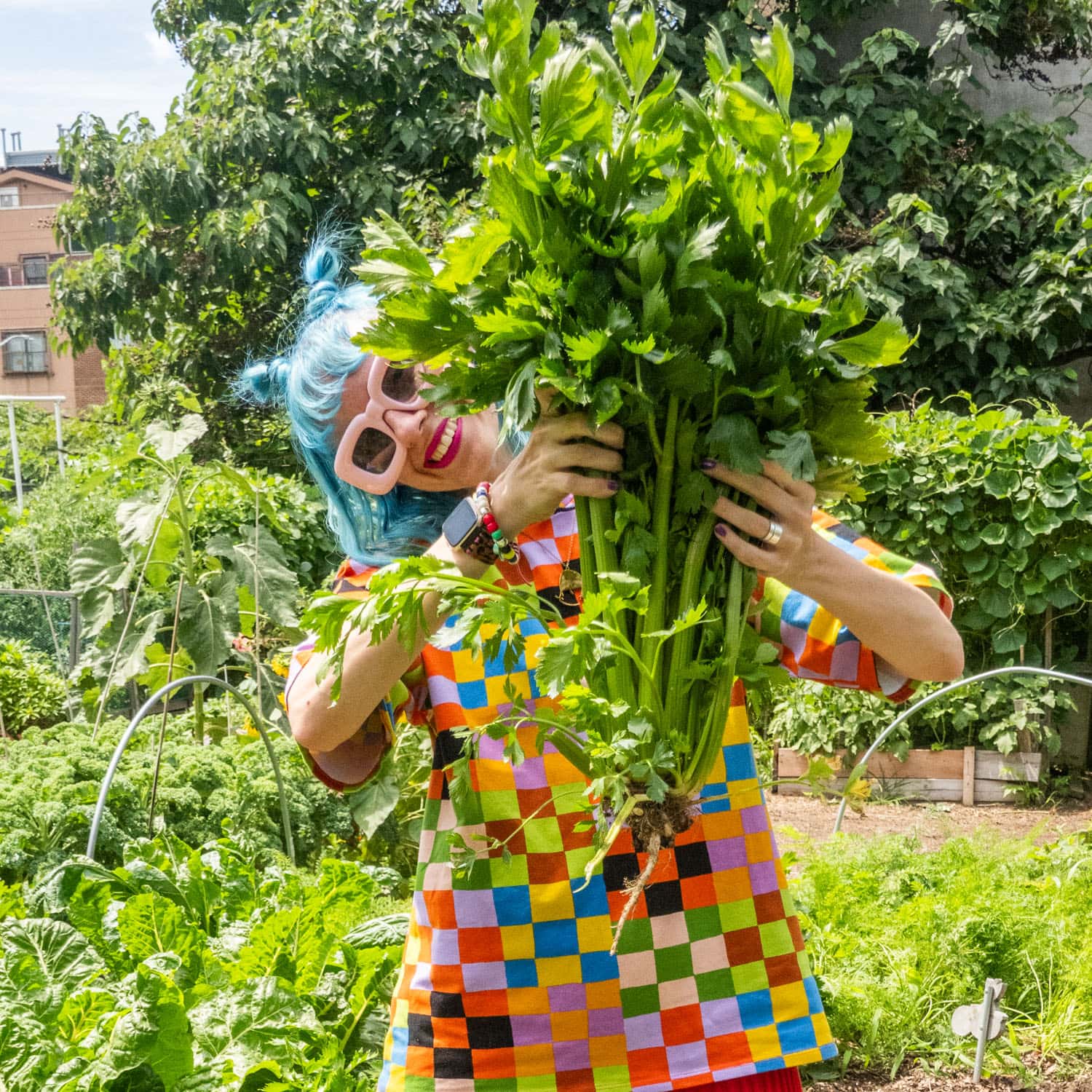
Imagine harvesting crisp, flavorful celery stalks from your own backyard, even in the scorching heat of summer. While often associated with cooler climates, celery is a surprisingly resilient and rewarding summer crop, particularly if you know its secrets. Forget the grocery store version; homegrown celery offers a taste and tenderness that truly elevates your culinary creations, from refreshing salads to hearty winter soups. This comprehensive guide provides everything you need to know about growing celery successfully, focusing on overcoming its initial germination quirks and leveraging its exceptional heat tolerance to your advantage.
Our journey to cultivating giant, delicious celery stalks right here in an NYC garden during peak summer months taught us a valuable lesson: this plant, despite an initial "drama queen" phase during germination, transforms into a surprisingly low-maintenance and gratifying addition to your garden. Once established, it thrives in conditions that would send many other vegetables bolting. Get ready to experience the immense satisfaction of picking your first homegrown celery – a moment that, for us, still brings a giddy sense of accomplishment!
The Celery Seed Challenge: Mastering Germination
The first hurdle in your celery-growing adventure is undoubtedly germinating its notoriously finicky seeds. Celery seeds have a reputation for being tough, and for good reason. From our experience, even with aids like a heat mat, celery seed germination can be one of the more challenging aspects of the entire growing process. Expect a significant waiting period; celery seeds typically take around three weeks to sprout, a timeframe that can feel like an eternity for an eager gardener.
This extended germination period can indeed be nerve-wracking, and if seeds fail to emerge, it can easily derail your entire growing calendar. To mitigate this risk, we highly recommend a proactive approach: start at least three times more seeds than the number of plants you ultimately need. This gives you a much better chance of securing enough viable seedlings, accounting for those that might not sprout. While a heat mat can certainly help maintain consistent temperatures conducive to germination, it's not a guaranteed magic bullet for speeding things up.
For those located in Zone 7B, we've found that starting seeds indoors around March provides ample time for the seedlings to develop before transplanting. This timing allows young plants to establish themselves before the intense summer heat fully arrives. Patience is paramount during this phase, but the reward of sturdy, vibrant seedlings is well worth the wait. However, if the "celery seed drama" isn't appealing, or if you're short on time, a fantastic alternative is to simply purchase young celery plants from your local greenhouse. This skips the germination phase entirely, allowing you to dive straight into the growing fun.
From Seedling to Sturdy Stalks: Cultivation & Care in Summer Heat
Once your precious celery seeds have successfully transformed into healthy seedlings, the hardest part is truly behind you. Celery, once established, morphs into a remarkably unfussy plant that performs exceptionally well under summer conditions, making it a fantastic choice for hot climates. We've seen varieties like Tango celery thrive even during scorching NYC summers, producing tender stalks with fantastic flavor.
When it's time to transplant your seedlings, whether homegrown or purchased, select a location in your garden that receives full sun – at least six hours of direct sunlight daily. Celery is a sun-lover. Provide adequate space for growth; plants should be spaced approximately 10 inches apart in garden beds or large pots. While it's resistant to heat and moisture stress once mature, celery is fundamentally a thirsty plant that appreciates consistently moist, well-draining soil. Don't confuse "stress resistance" with "drought tolerance"; for optimal growth, regular watering is key, especially during dry spells. However, it won't panic and bolt at the first sign of heat, unlike many other vegetables.
Celery requires a relatively long growing season, typically taking 4-5 months (around 140 days) from seed starting to harvest. For Zone 7B growers, our typical schedule involves transplanting seedlings outdoors in May, allowing them to mature throughout the summer for a bountiful harvest. Its ability to withstand high temperatures with minimal fuss truly makes it a no-nonsense plant and an excellent summer vegetable choice. For more in-depth guidance on navigating the initial phases and ensuring a strong start, check out our article Grow Your Own Celery: From Tough Seeds to Tasty Harvest.
Harvesting Your Bounty & Extending Freshness
The moment of truth arrives when your celery stalks reach a noticeable size. You'll know your celery is ready to pick when the stalks are at least 8 inches tall and the base measures 2-3 inches in width. At this stage, you have two primary options for harvesting:
- Cut Stalks as Needed: This method allows you to enjoy a continuous harvest, taking outer stalks as required while the inner stalks continue to grow. This can prolong the overall harvest period from a single plant.
- Pull the Entire Plant: Many gardeners, ourselves included, prefer to harvest the entire plant. This provides a substantial yield at once, perfect for processing or using in larger quantities.
One of the great advantages of growing celery in summer is its flexibility regarding harvest timing. Unlike some other cool-season crops that quickly bolt and turn bitter in the heat, celery actually benefits from consistent warmth. It's not prone to bolting (going to seed) or becoming bitter until temperatures significantly drop. This means you have a generous window to pick your celery without worrying about flavor degradation.
Storage Solutions for Peak Freshness
Once harvested, keeping your celery fresh is simple. For short-term storage, place your celery in the refrigerator's crisper drawer, where it can remain fresh and crisp for approximately three weeks. To extend its life considerably, freezing is an excellent option, allowing you to enjoy your homegrown bounty all winter long. To freeze celery:
- Wash and chop the celery into desired pieces.
- Blanch the celery in boiling water for about 3 minutes, then immediately plunge it into ice water to stop the cooking process.
- Drain thoroughly, pat dry, and then freeze in airtight freezer bags or containers.
We always make a point to chop and freeze a significant amount of celery. It's an invaluable ingredient for enriching our favorite winter dishes, adding depth and flavor to everything from classic chicken noodle soup to creamy Yukon gold potato soup. For more practical advice on maintaining your celery's health and making the most of your harvest, explore our article Drama-Free Celery: Easy Growing, Harvesting & Storage Tips.
Beyond the Basics: Celery Varieties and Nutritional Value
Diving deeper into the world of celery reveals a surprising diversity. Understanding the different types can help you choose the best variety for your garden and culinary preferences. Celery varieties generally fall into two main categories:
- Trenching Celery: Varieties like 'Utah' and 'Summer Pascal' are known for their vibrant green stalks and robust, strong flavor. Traditionally, they were grown in trenches and mounded with soil to blanch the stalks, though modern varieties are less demanding.
- Self-Blanching Celery: Types such as 'Golden Self Blanching' produce milder-tasting stalks that are typically pale yellow or white. These varieties naturally blanch themselves as they grow, often due to their dense growth habit, requiring less effort from the gardener.
Beyond its versatile culinary applications, celery is a powerhouse of nutrition. It's famously low in calories, making it a popular choice for health-conscious eaters, but it's also incredibly rich in essential vitamins and minerals. A single serving of celery provides significant amounts of Vitamin K, Vitamin C, and Folate. It's also a good source of dietary fiber, potassium, and beneficial antioxidants. Incorporating celery into your diet can contribute to improved digestion, reduced inflammation, and overall well-being.
Growing your own celery is more than just a gardening task; it's a rewarding experience that yields delicious, nutritious results. From the initial patience required for germination to the effortless growth in summer heat and the joy of a fresh harvest, celery truly offers a comprehensive gardening journey. By understanding its unique needs and leveraging its heat tolerance, you can confidently cultivate crisp, flavorful stalks that will undoubtedly 'wow' you and your family. So, embrace the challenge, enjoy the process, and get ready to enjoy the unparalleled taste of homegrown celery all year long.
