Grow Your Own Celery: From Tough Seeds to Tasty Harvest
There's a unique satisfaction that comes from plucking a crisp, vibrant stalk of celery from your own garden. It’s a journey that begins with a tiny, sometimes stubborn, seed and culminates in a surprisingly giant, flavorful harvest. If you're looking for everything you need to know about growing celery, you've come to the right place. While its germination might test your patience, growing celery transforms into a largely drama-free experience once established, rewarding you with an abundance of fresh, healthy stalks perfect for snacking, cooking, and freezing.
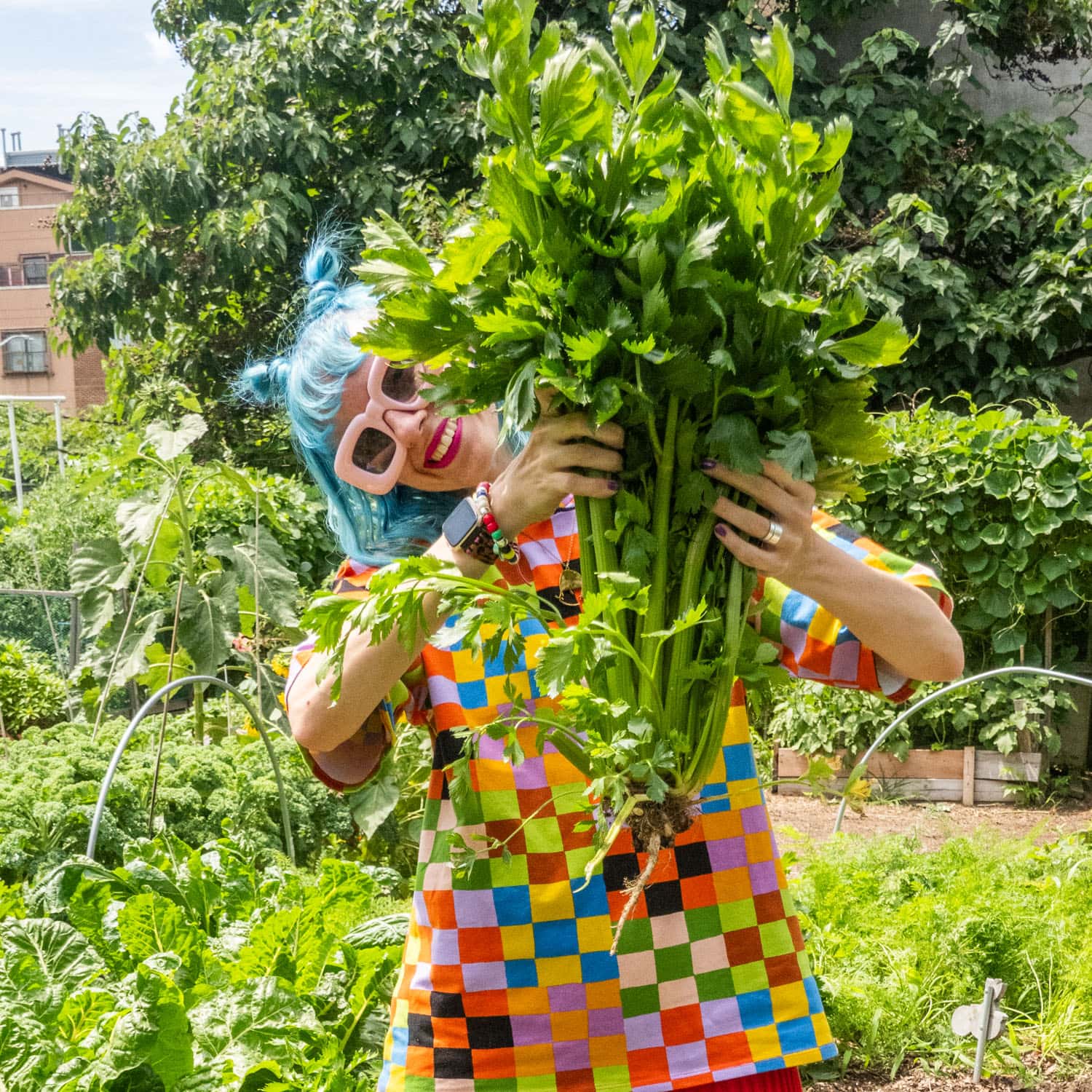
Many gardeners, myself included, have felt that profound joy the first time they harvest their homegrown celery – a true "wow" moment. Despite the initial hurdles, celery proves to be a robust and rewarding summer vegetable, even thriving through hot conditions that might stress other plants. Let's delve into the complete lifecycle, from planting those tiny seeds to enjoying your delicious, crunchy stalks.
The Celery Journey Begins: Seed Starting & Early Growth
The first step in cultivating your own celery is selecting the right variety and understanding the unique demands of its seeds. This is where patience truly becomes a virtue.
Understanding Celery Varieties
Celery offers a range of varieties, each with distinct characteristics. They primarily fall into two categories:
- Trenching Celery: Varieties like 'Utah' and 'Summer Pascal' typically have greener, more robust stalks and a stronger, more traditional celery flavor. Traditionally, they were "trenched" or mounded with soil to blanch (whiten) the stalks, reducing bitterness and increasing tenderness.
- Self-Blanching Celery: These types, such as 'Golden Self Blanching,' produce milder-tasting stalks that are naturally paler yellow or white, without the need for trenching.
For gardeners in warmer climates or those experiencing hot summers, selecting a heat-tolerant variety is crucial. We've had great success with 'Tango' celery in hot urban gardens. It's known for its tender stalks, excellent flavor, and impressive resilience under heat stress, even with minimal fuss during peak summer.
The Tricky Business of Celery Seed Germination
Let's be upfront: celery seeds are notorious for being one of the tougher seeds to germinate. This can be a nerve-wracking start to your gardening calendar, as they take around three weeks to sprout, far longer than many other common vegetables. The main reasons for this challenge include their tiny size and their requirement for light to germinate. For a deep dive into overcoming these hurdles, check out our guide on Mastering Celery Germination & Heat: Your Summer Grow Guide.
Our experience, even with aids like a heat mat, confirms that patience is key. To maximize your chances of success and ensure you have enough seedlings for your garden, we highly recommend starting at least three times more seeds than you think you’ll need. This accounts for seeds that don't germinate or seedlings that don't make it to transplanting.
For many regions, including Zone 7B where we garden, the ideal time to start celery seeds indoors is around March. This gives them ample time to grow into sturdy seedlings before the last frost. If you're not up for the "celery seed drama," a perfectly valid and often recommended alternative is to purchase young celery plants from your local greenhouse in spring.
From Seedlings to Stalks: Planting, Care & Cultivation
Once you've successfully navigated the germination phase and your celery seedlings are strong enough, it’s time to get them into their permanent home. This stage is where celery truly shines as a low-maintenance, resilient plant.
Timing and Site Selection
Celery has a relatively long growing season, typically taking 4-5 months (around 140 days) from seed starting to harvest. For those who started seeds indoors in March, transplanting usually occurs in May. When selecting a spot for your celery, remember that it absolutely thrives in full sun, needing at least 6 hours of direct sunlight daily. Choose a location in your garden or a spacious pot that receives abundant sunshine throughout the day.
The soil plays a critical role in healthy celery growth. Celery is a heavy feeder and a thirsty plant, so it prefers rich, well-draining soil that retains consistent moisture. Incorporating plenty of organic compost before planting will provide essential nutrients and improve water retention.
Transplanting Your Celery Seedlings
Before moving your delicate seedlings outdoors, remember to "harden them off" gradually. This involves exposing them to outdoor conditions for increasing periods over a week or two, which helps them adapt to wind, sun, and temperature fluctuations. Once hardened off, plant your celery seedlings in prepared garden beds or large pots, spacing them approximately 10 inches apart. Adequate spacing ensures good air circulation and allows each plant enough room to develop robust stalks.
Nurturing Your Growing Celery Plants
Despite its early fussiness, once established, celery transforms into a remarkably no-nonsense plant. It's quite resistant to both heat and moisture stress, making it an excellent choice for summer gardening. However, "resistant" doesn't mean "neglectful."
- Watering: Celery needs consistent moisture to produce tender, crisp stalks. While varieties like 'Tango' can tolerate periods of heat stress with somewhat less water, aim to keep the soil consistently damp, but not waterlogged. Inconsistent watering can lead to tough, stringy, or bitter stalks.
- Feeding: Beyond the initial rich soil, feeding your celery periodically with a balanced organic fertilizer or a side-dressing of compost will support its vigorous growth throughout the long season.
The key to success with mature celery is providing the foundational needs – sun, good soil, and consistent water – and then allowing its inherent resilience to do the rest. It truly is a drama-free plant once it starts growing.
Harvesting Your Bounty: When and How to Pick Celery
After months of anticipation, the moment finally arrives to enjoy the fruits (or rather, stalks) of your labor! Knowing when and how to harvest your celery correctly will ensure the best flavor and potentially extend your harvest.
When Your Celery is Ready to Harvest
You'll know your celery is ready to pick when the stalks reach at least 8 inches tall and the base of the plant measures 2-3 inches in width. The plant should look robust and full. One of the great advantages of growing celery is that you don't have to worry about it "bolting" (going to seed) or becoming bitter tasting until the weather turns consistently cold. This flexibility means you have a generous window to harvest your crop, allowing you to pick as needed without rush.
Harvesting Options
There are two primary methods for harvesting your homegrown celery:
- Cut Stalks as Needed: For a continuous harvest, you can simply cut individual outer stalks from the plant as you need them. Use a sharp knife to cut them cleanly at the base. This method encourages the inner stalks to continue growing, providing you with fresh celery over an extended period.
- Pull Out the Entire Plant: Many gardeners, ourselves included, prefer to pull out the entire plant once it reaches its full size. This allows for a complete harvest and makes storage simpler. Gently grasp the base of the plant and pull upwards, ensuring you get the root ball.
Beyond the Garden: Storing Your Celery & Enjoying the Rewards
Once you've harvested your beautiful celery, the next step is to ensure it stays fresh and flavorful for as long as possible. Celery stores remarkably well, both in the short and long term, making it a valuable addition to your kitchen all year round.
Fresh Storage
For immediate use, store your freshly harvested celery in the crisper drawer of your refrigerator. When stored properly, it can remain crisp and fresh for around three weeks. Some gardeners find that wrapping the celery tightly in foil before refrigerating can further extend its freshness.
Long-Term Freezing
If you have an abundant harvest, or simply want to ensure you have homegrown celery available throughout the colder months, freezing is an excellent option. We always chop and freeze a significant portion of our celery to use in our favorite winter recipes. For best results with freezing:
- Wash and chop your celery into desired pieces.
- Blanch the celery in boiling water for 2-3 minutes, then immediately plunge into ice water to stop the cooking process. This helps retain color, flavor, and texture.
- Drain thoroughly, pat dry, and then spread on a baking sheet to freeze individually before transferring to freezer bags. This prevents clumping.
Frozen celery is perfect for adding to hearty winter dishes like chicken noodle soup, Yukon gold potato soup, stews, casseroles, and mirepoix bases, imparting that fresh garden flavor even when snow is on the ground. For more detailed tips on harvesting and storage, consult our article: Drama-Free Celery: Easy Growing, Harvesting & Storage Tips.
The Nutritional Bounty of Celery
Beyond its culinary versatility, celery is a powerhouse of nutrition. It's famously low in calories but rich in essential vitamins and minerals. A single serving provides significant amounts of vitamin K, vitamin C, and folate, along with dietary fiber, potassium, and beneficial antioxidants. Regularly incorporating celery into your diet can support healthy digestion and even help reduce inflammation, making your homegrown harvest a true gift to your health.
Conclusion
The journey from a tiny, tough celery seed to a giant, juicy harvest is incredibly rewarding. While the initial germination phase demands patience and a little extra effort, the subsequent growth of this resilient, heat-tolerant plant is remarkably straightforward. By understanding the needs of celery, from consistent moisture and full sun to proper harvesting and storage techniques, you can enjoy the unparalleled taste and health benefits of your very own homegrown celery. So, roll up your sleeves, embrace the process, and prepare to be truly "wowed" by your success in growing everything you need to know about growing celery!
